


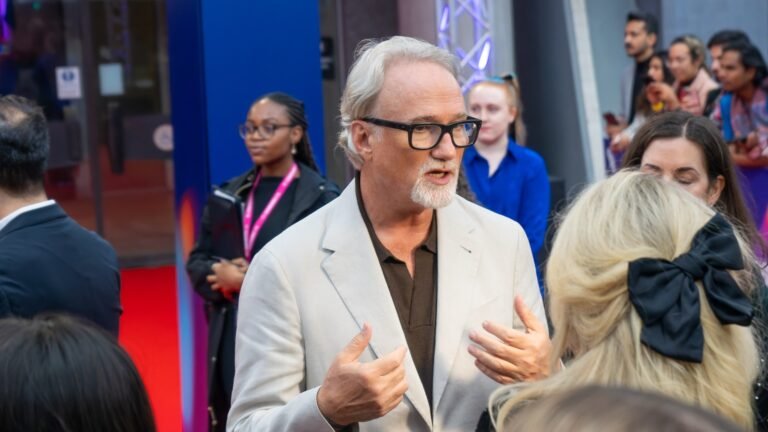
I’ve been saying it for months: the AI fight was going to crash into a big-name movie eventually. I just didn’t think it would be a David Fincher movie starring Brad Pitt. But here we are. Fincher has now confirmed that AI was used in post-production on The Further Mis-Adventures of Cliff Booth, the Quentin Tarantino-written sequel to Once Upon a Time in Hollywood, and it lands right after a week of moviegoers swearing they saw generative AI all over the screen.
Let me be very clear about what’s confirmed and what isn’t, because this one is moving fast.
What Fincher actually admitted
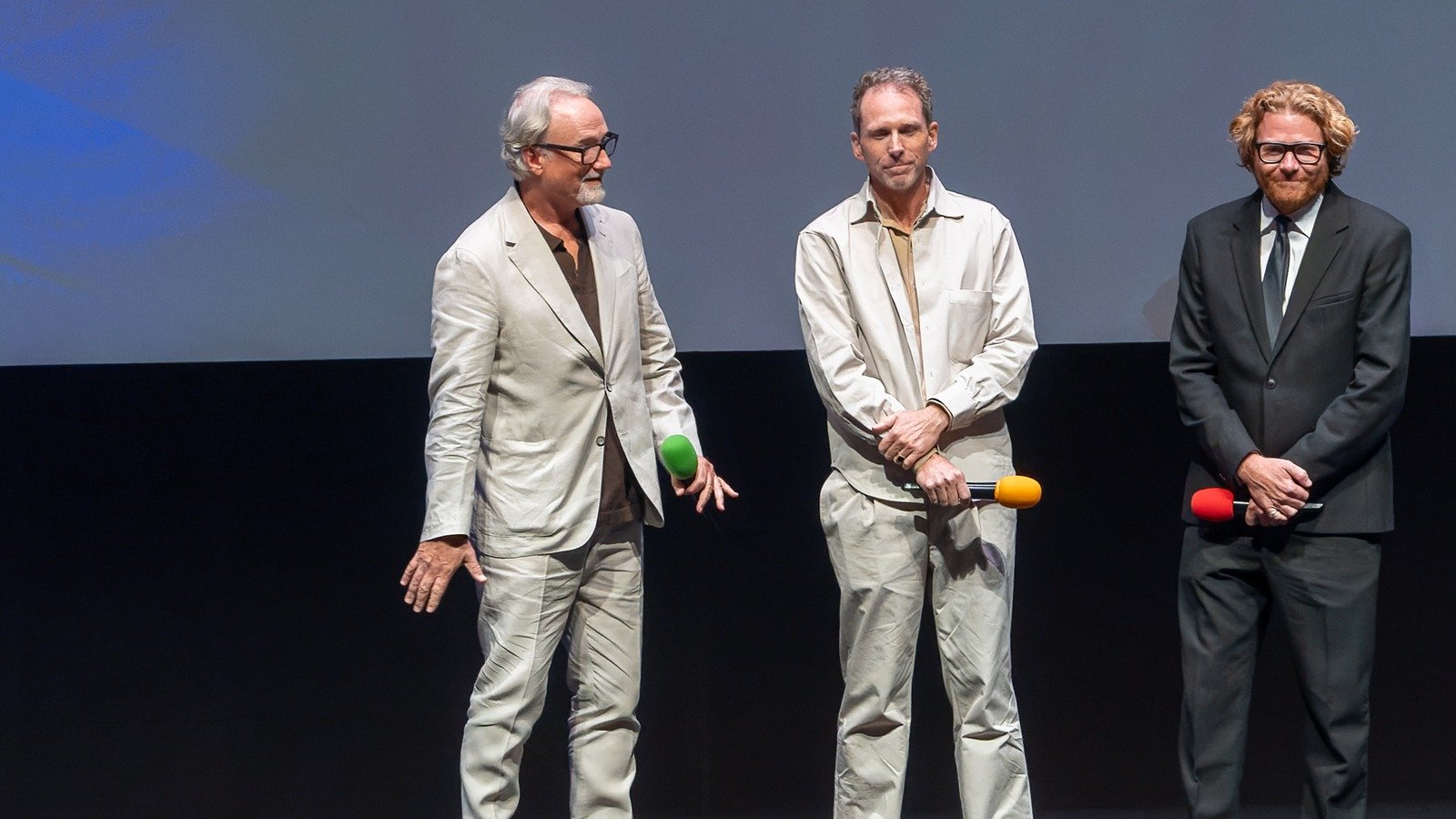
On The Ringer’s The Big Picture podcast (published Wednesday, Nov. 25), Fincher told host Sean Fennessey that AI helped sync the best take of a line reading with the best performance take when the two didn’t line up on camera, Variety reports. Per Variety, he said the production spent only four or five days having actors re-record dialogue.
“We could use AI to re-lip that thing.” — David Fincher, on The Big Picture (via Variety)
He framed it as freedom, not a shortcut: figure out “what is the best thing on the eye, and then what is the best thing on the ear,” then worry about how to stitch them together later. And in a line the internet is absolutely going to clip, he admitted not every fix landed: “I think there’s a couple of shots [that] didn’t quite work, but they’re getting there.”
He also pitched a future where AI cuts down his famously endless takes, insisting it would “still be based on real human beings.” When Fennessey asked if working that way appealed to him, Fincher’s answer was one word: “Totally.”
Here’s the key detail most hot takes skip: Fennessey said up front that the interview was recorded before the generative-AI allegations blew up, so Fincher wasn’t asked about any of the other shots people are pointing at.
What early viewers say they spotted
The backlash started after critics’ screenings last week. Indie filmmaker and YouTuber Patrick Tomasso posted on X that he walked out “completely gutted,” writing that “what could have been a really great sequel is overshadowed by some of the most blatant and egregious AI use I’ve ever seen in a studio film,” as quoted by TheWrap and The Verge. Another viewer said “the amount of AI in the CLIFF BOOTH movie is astounding to an absurd degree.”
- The horse carriage. Variety says viewers flagged a flashback scene where a horse carriage appeared to have two wagons. The Verge points to a trailer shot of what looks like people sitting backward in a horse-drawn carriage, while noting it’s hard to tell from the trailers alone whether AI is actually involved.
- The credit. Critic Louis Peitzman said a “generative supervisor” was listed in the credits after the film, according to TheWrap. The A.V. Club describes the credit as a “generative consultant,” so even the job title isn’t settled, and no outlet has named who holds it.
- The reviews. TheWrap quotes a Next Best Picture review calling “Fincher’s use of generative AI in key moments of the film” “nothing but an eyesore.” Peitzman wrote that the use of generative AI “depresses the hell out of me.”
Not everybody is convinced, though. The Verge notes some critics who enjoyed the film suggested what people saw might just be bad CGI. Over on Reddit, the r/movies thread sharing the story ran under the headline “Director David Fincher’s AI Use In Cliff Booth Sequel Has Not Gone Down Well,” which, yeah, is putting it lightly.
Still unconfirmed: which shots, if any, used generative AI. Per Variety, Fincher and Netflix haven’t commented on those specific instances.
“I’m not a Luddite”
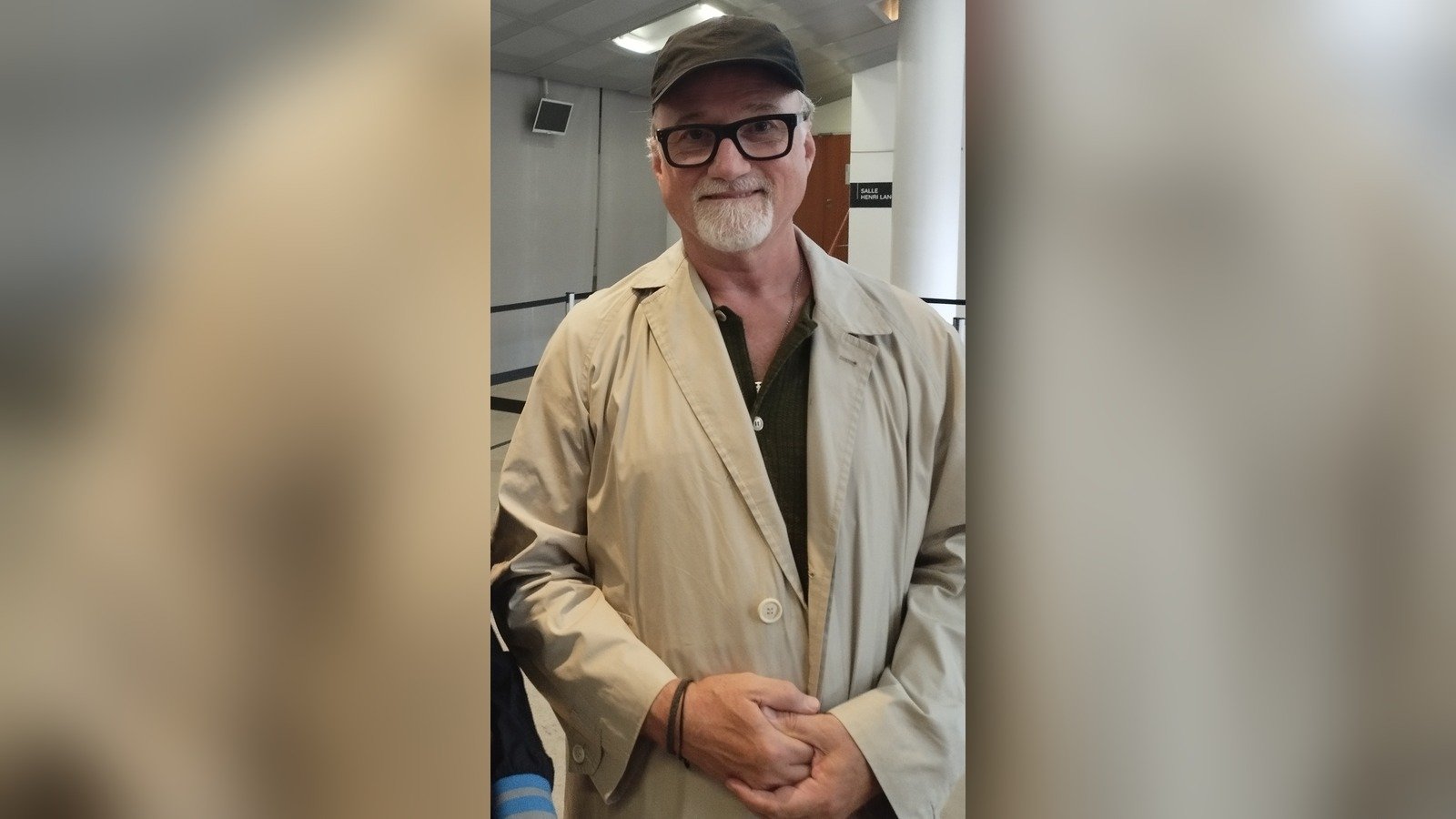
This didn’t start with the podcast. Fincher told the Los Angeles Times in an interview published Nov. 19, “I’m not a Luddite, so I don’t fear the unknown,” Deadline and TheWrap report. He went further:
“Is everyone satisfied that we have figured this art form out enough that what we really need to do is go back to celluloid? How long have people painted? 40,000 years? We’re talking about a thing that’s a hundred years old and everyone’s going, ‘Stop. Pencils down. No more iterating.'” — David Fincher, to the Los Angeles Times (via Deadline)
And then the line that lit the match: “Well, it exists. Should we not use it?” Worth knowing: that was a general answer about AI as a tool, not an explanation of any specific Cliff Booth shot. At the time, TheWrap noted Fincher had “yet to go on the record about using AI” on the film.
He made the same point about his tools on The Big Picture, explaining why he shot the movie digitally and isn’t going back to film. The Ringer posted that moment as a clip:
Why Netflix is in the crosshairs too
Netflix has been loud about AI. Variety reports the streamer bought Ben Affleck’s AI startup InterPositive for $587 million in March, and said in August that more than 300 programs in its catalog used some level of generative AI this year. The Verge says InterPositive’s models are built to work from footage captured during production, for things like tweaking lighting or removing unwanted background elements, not turning text prompts into video. The A.V. Club also points to a March Bloomberg report that InterPositive helped produce “an upcoming film starring Brad Pitt.” Netflix hasn’t publicly said whether that’s Cliff Booth.
My take
Re-lipping a line so the best performance and the best read live in the same shot? That’s a post-production trick, and honestly, Hollywood has been fixing dialogue in post forever. That’s not the part people are mad about. They’re mad about shots that look generated, a credit nobody will explain, and a director famous for marathon takes and obsessive detail shrugging “it exists.” If Fincher and Netflix want this to go away, the move is simple: say exactly what was AI and what wasn’t. Until then, every weird frame in this movie is going to get freeze-framed to death.
The Further Mis-Adventures of Cliff Booth is in IMAX theaters now and streams on Netflix starting Dec. 23.
What do you think? Join the hype!